
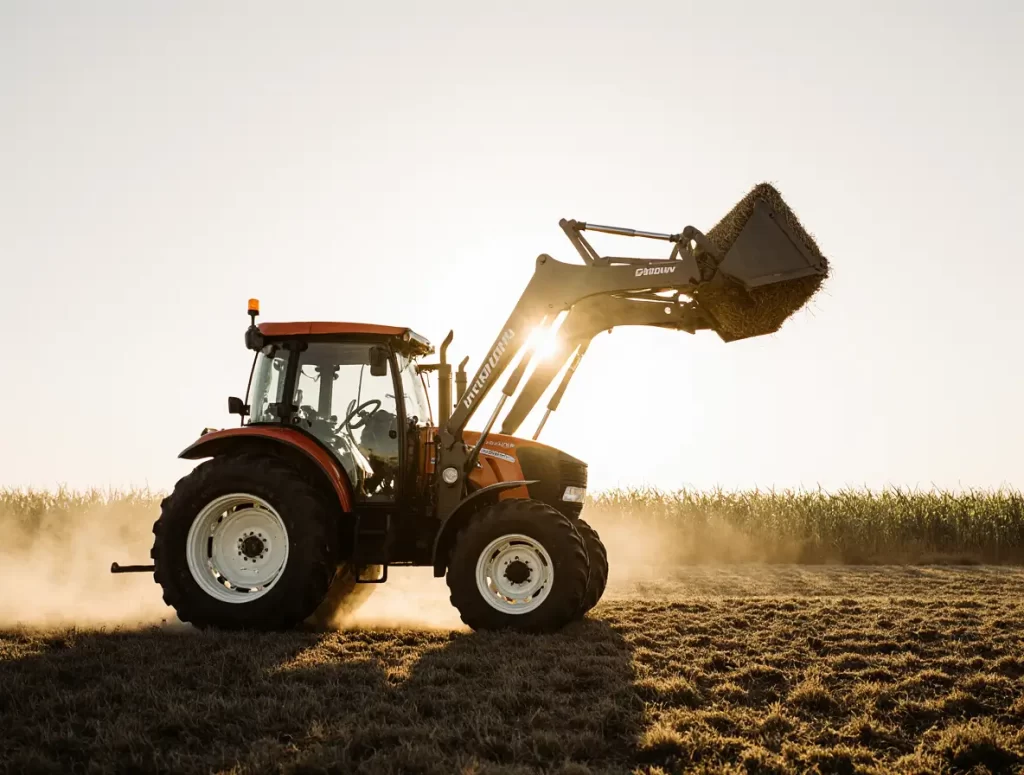
In the world of modern farming, tractors are more than just machines; they are the backbone of productivity. However, even the most advanced tractors are only as reliable as their weakest part. One of the most frequent culprits behind tractor failures is the hydraulic system. From lifting implements to steering and transmission, hydraulics are responsible for a majority of tractor functions. When these systems fail, the result is not just mechanical downtime—it can mean disrupted planting schedules, delayed harvests, and dissatisfied customers.
For dealers working with agricultural clients, understanding how faulty hydraulic tractor parts lead to breakdowns is crucial. Not only does it help you sell better products, but it also builds trust with your customers. In this comprehensive guide, we’ll explore the most common failures caused by low-quality or mismatched hydraulic parts and share practical steps dealers can take to prevent them.
Why Hydraulic Systems Matter So Much
Hydraulic systems convert mechanical power into fluid power to perform essential tasks like lifting, steering, braking, and powering auxiliary functions. According to the Agricultural Equipment Technology Conference (AETC), hydraulic systems account for nearly 40% of all tractor failures. This statistic alone makes it clear why dealers need to focus on high-quality hydraulic tractor parts.
The interconnectedness of the hydraulic system means that a single faulty hose or valve can jeopardize the entire operation. That’s why supplying durable, compatible, and tested hydraulic components is essential for any tractor dealer serving the agriculture sector.
1. Hydraulic Pump Failures
Breakdown Insight:
The pump serves as the heart of a tractor’s hydraulic system, pushing fluid through hoses, valves, and cylinders. A failing pump often results in decreased hydraulic pressure, leading to weak or delayed actions in steering, lifting, or braking.
Real Data:
A study by the Association of Equipment Manufacturers (AEM) found that 25% of hydraulic system failures originate from the pump.
Dealer Tips:
- Always recommend OEM or ISO-certified hydraulic tractor parts.
- Bundle hydraulic pumps with compatible filters to encourage proper maintenance.
- Educate customers on using the correct hydraulic oil and maintaining ideal fluid levels.
2. Leaking Hydraulic Hoses
Breakdown Insight:
Hydraulic hoses transport pressurized fluid across various components. A minor leak can significantly drop system pressure and lead to a loss of operational control.
Realistic Stat:
According to a University of Nebraska study, 1 in 3 tractors over five years old show hose degradation or leakage.
Dealer Tips:
- Stock high-pressure-tested hoses made from weather-resistant materials.
- Provide fitting guides or visual diagrams to ensure correct installation.
- Offer pre-assembled hose kits with couplings to minimize compatibility errors.
3. Cylinder Seal Failures
Breakdown Insight:
Seals inside hydraulic cylinders prevent fluid leakage. When seals wear out or are poorly manufactured, it results in sluggish movements and frequent topping off of hydraulic fluid.
Industry Insight:
Service technicians report that over 30% of cylinder repairs involve seal degradation.
Dealer Tips:
- Promote high-grade polyurethane or nitrile seals with double-lip design.
- Package seals with dust caps and provide cleaning kits to reduce contamination risks.
- Offer loyalty discounts on replacement seals for repeat customers.
4. Malfunctioning Hydraulic Valves
Breakdown Insight:
Control valves regulate fluid direction and flow. Malfunctioning valves can lock the hydraulic system or cause jerky, inconsistent movements.
Industry Finding:
AgriTech Review’s annual report notes that valve failures frequently stem from corrosion due to contaminated oil.
Dealer Tips:
- Highlight valves with anti-corrosion coatings or stainless-steel internals.
- Recommend using inline filters and conducting regular system flushes.
- Offer workshops for farmers on diagnosing early valve issues.
5. Overheating Hydraulic Systems
Breakdown Insight:
Hydraulic fluid can overheat due to excessive load, improper cooling, or insufficient fluid. Overheating reduces viscosity and leads to metal-on-metal wear.
Key Data:
According to Fluid Power Journal, more than 50% of hydraulic system inefficiencies are indirectly related to excess heat.
Dealer Tips:
- Educate customers about operating within ideal temperature ranges.
- Stock thermostatic fans, oil coolers, and temperature gauges as add-ons.
- Recommend seasonal fluid checks to optimize performance.
The Cost of Getting It Wrong
When hydraulic tractor parts fail, the costs add up fast. Here’s a breakdown based on recent industry estimates:
- Average tractor downtime: 6.2 hours per failure
- Cost per hour of downtime: $150 to $250 (depending on crop season)
- Repair cost of major hydraulic failure: $800 – $2,500
- Loss of customer trust: Priceless
Turning Dealers into Trusted Advisors
Today’s buyers aren’t just looking for parts; they’re seeking guidance. Here’s how dealers can transition from sellers to strategic partners:
1. Create Informative Content
Build simple flyers, guides, or videos explaining how hydraulic systems work and what signs to look out for. Use storytelling: “How Farmer Raj fixed his leaking cylinder and avoided harvest delays.”
2. Offer Bundled Solutions
Make it easy for buyers. Create pre-packaged hydraulic kits tailored for specific tractor models with instructions included. Include:
- Cylinder + seal kits
- Pump + filter combos
- Hose + coupler packs
3. Provide After-Sales Support
Whether it’s a helpline or a WhatsApp group, offering guidance after the sale builds loyalty. Share:
- Maintenance reminders
- Inspection checklists
- Seasonal upkeep tips
4. Stay Ahead with Smart Stocking
Review local agricultural trends. Stock parts for the most common models in your area. Use data from your past sales to predict future needs.
5. Promote Preventive Maintenance
Encourage buyers to perform checks before planting or harvest season. This prevents emergencies and builds credibility for your dealership.
Real-Life Dealer Success Story
“Last year, we started stocking only ISO-certified hydraulic parts and bundled them into model-specific kits. We saw a 28% drop in returns and a 15% increase in repeat business,” says Arvind, a dealer from Punjab.
These results aren’t accidental. They’re the outcome of thoughtful stocking, staff training, and customer education. Your dealership can experience the same.
Final Thoughts: Quality Isn’t Optional—It’s Your Competitive Edge
Poor-quality hydraulic tractor parts lead to repeat breakdowns, high repair costs, and lost customer trust. But for dealers who take the time to understand common failure points and stock reliable components, the payoff is long-term loyalty and higher margins.
Remember, each hydraulic seal, pump, or hose you sell is more than a spare part—it’s a promise of performance. Keep that promise, and your customers will keep coming back.