
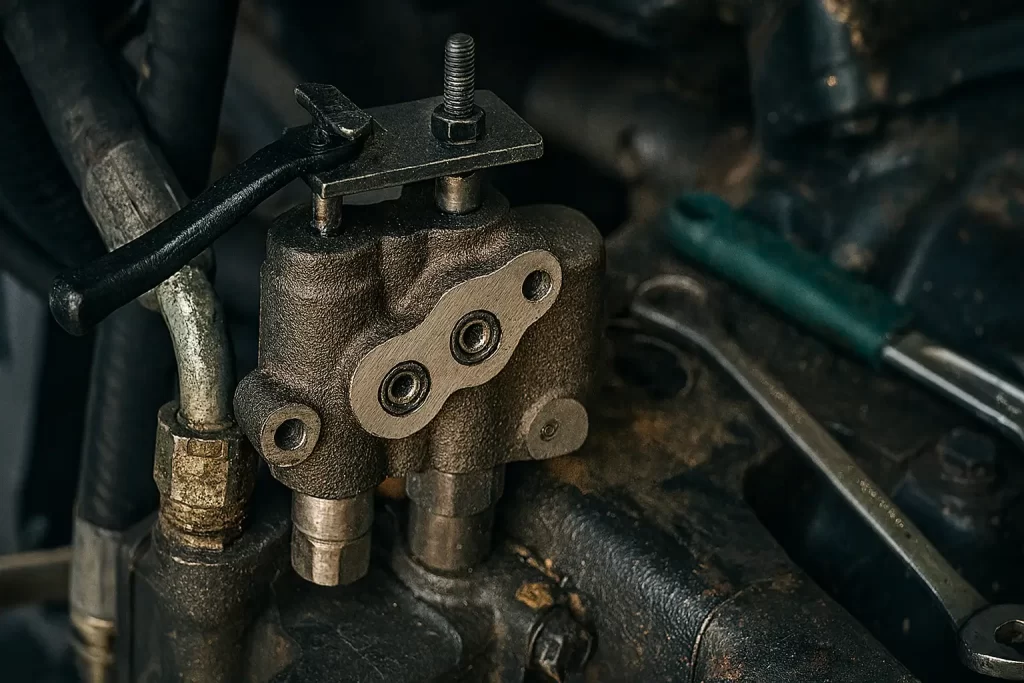
Tractor hydraulic systems play a vital role in powering essential functions such as lifting implements, operating loaders, controlling steering systems, and supporting a wide range of agricultural applications. To ensure these systems perform efficiently, several hydraulic components must work together, and tractor control valves are among the most important.
These hydraulic control valves regulate the flow, pressure, and direction of hydraulic fluid throughout the system, allowing operators to manage hydraulic functions with precision. From lift arms and steering mechanisms to auxiliary hydraulic attachments and agricultural implements, control valves help maintain smooth operation, improve equipment performance, and enhance overall productivity in the field.
Different hydraulic applications require different valve configurations. Understanding the various types of tractor control valves is essential for selecting the right hydraulic components, improving hydraulic system efficiency, reducing equipment downtime, and ensuring reliable performance in demanding agricultural environments.
In this guide, we will explore the three main types of tractor control valves used in hydraulic systems, explain how each valve works, discuss their practical applications, and highlight their role in maintaining safe, efficient, and dependable tractor operation. Whether you are involved in tractor maintenance, agricultural equipment repair, or hydraulic system troubleshooting, understanding these valve types can help improve equipment reliability and long term performance.
What Are the Three Main Types of Tractor Control Valves in Hydraulic Systems?
Tractor control valves are generally classified into three primary categories: directional control valves, pressure control valves, and flow control valves. These hydraulic valves play a critical role in controlling fluid movement, regulating operating pressure, and managing actuator speed within modern tractor hydraulic systems.
Hydraulic control valves are essential components in agricultural machinery, helping operators control loader arms, hydraulic lifts, steering systems, rear auxiliary remotes, and attached implements. Each valve type performs a specific function that contributes to the efficiency, safety, and overall performance of tractor hydraulic equipment.
Understanding how these control valves work can help improve hydraulic system reliability, reduce equipment downtime, and support efficient operation across a wide range of agricultural applications.
1. Directional Control Valves
Directional control valves manage the path and direction of hydraulic fluid flow throughout the hydraulic system. These valves determine which actuator receives hydraulic pressure and when it receives it. In tractors, directional control valves are commonly used to operate loader arms, hydraulic cylinders, steering systems, lift mechanisms, and auxiliary hydraulic functions.
Common Types of Directional Control Valves
Check Valves (One-Way Valves)
Check valves allow hydraulic fluid to flow in only one direction while preventing reverse flow. This helps maintain pressure within the hydraulic circuit and protects system components from pressure loss. Check valves are commonly used in hydraulic lift systems where maintaining cylinder position is important.
Spool Valves
Spool valves use a movable cylindrical spool to direct hydraulic fluid between various ports within the valve body. Depending on spool position, hydraulic fluid can be directed to specific actuators or returned to the hydraulic reservoir.
- 2-Way Spool Valves: Basic open and close hydraulic flow control
- 3-Way Spool Valves: Commonly used with single-acting hydraulic cylinders
- 4-Way Spool Valves: Designed for double-acting hydraulic cylinders requiring extension and retraction control
Spool valves are widely used in tractor hydraulic remotes, front-end loaders, and joystick-operated hydraulic systems.
Ball Valves
Ball valves use a rotating ball with a central opening to control hydraulic fluid flow. These valves provide fast shut-off capability and are commonly used for fluid isolation within tractor hydraulic circuits.
2. Pressure Control Valves
Pressure control valves regulate hydraulic system pressure and help maintain safe operating conditions. These valves prevent excessive pressure buildup that could damage pumps, hoses, cylinders, seals, and other hydraulic components.
Main Types of Pressure Control Valves
Relief Valves
Relief valves protect the hydraulic system by limiting maximum operating pressure. When pressure exceeds a preset value, the valve opens and diverts excess hydraulic fluid back to the reservoir. These valves are essential safety components in every tractor hydraulic system.
Pressure-Reducing Valves
Pressure-reducing valves lower pressure within specific hydraulic circuits. They are commonly used to protect sensitive hydraulic components and ensure stable operation in systems that require lower pressure levels.
Sequence Valves
Sequence valves control the order of hydraulic operations. They ensure one hydraulic function is completed before another begins, helping improve efficiency and safety in multi-function hydraulic systems.
3. Flow Control Valves
Flow control valves regulate the rate of hydraulic fluid flow, which directly affects the speed of hydraulic cylinders and actuators. Proper flow control helps improve accuracy, productivity, and equipment performance during field operations.
Common Types of Flow Control Valves
Throttle Valves (Flow Restrictors)
Throttle valves reduce the volume of hydraulic fluid passing through a circuit, allowing operators to control the speed of hydraulic movement. These valves are commonly used when precise implement positioning is required.
Examples include:
- Controlling hydraulic lift speed
- Adjusting loader arm movement
- Managing sprayer boom positioning
- Regulating agricultural implement operation
Proportional Valves
Proportional valves provide electronically controlled flow regulation and allow precise adjustment of hydraulic functions. These advanced valves are commonly found in modern tractors equipped with electronic controls, precision farming systems, and GPS-guided equipment.
Because proportional valves can continuously adjust hydraulic flow based on operator input or sensor feedback, they improve efficiency, accuracy, and productivity in advanced agricultural operations.
Together, directional control valves, pressure control valves, and flow control valves form the foundation of modern tractor hydraulic systems. Their combined operation helps ensure reliable hydraulic performance, safe equipment operation, efficient power transfer, and precise control across a wide range of agricultural applications.
Valve Variants and Tractor-Specific Applications
Understanding the three main types of tractor control valves is important, but it is equally valuable to understand the specific valve configurations available within each category and their practical applications in modern agricultural machinery. Different hydraulic systems require different valve designs depending on operating pressure, fluid flow requirements, actuator type, and equipment functionality.
Selecting the correct hydraulic control valve helps improve system efficiency, equipment reliability, operator control, and long term performance across a wide range of agricultural operations.
Directional Control Valve Options
Directional control valves are available in several configurations, each designed to meet specific hydraulic circuit requirements. Choosing the correct valve type ensures efficient fluid routing, precise equipment control, and reliable hydraulic system performance.
2-Way Valves
2-way valves feature two ports, an inlet and an outlet, and are primarily used for simple on-off hydraulic flow control. These valves allow operators to either permit or block hydraulic fluid flow within a circuit.
Common applications include:
- Hydraulic shut-off functions
- Basic auxiliary hydraulic circuits
- Fluid isolation within hydraulic systems
- Equipment maintenance operations
3-Way Valves
3-way valves include three ports and are commonly used with single-acting hydraulic cylinders. These valves direct hydraulic fluid into the cylinder during extension and allow fluid to return to the hydraulic reservoir during retraction.
Typical applications include:
- Seed drill lifting systems
- Hydraulic tipping mechanisms
- Simple agricultural implements
- Single-acting hydraulic equipment
4-Way Valves
4-way valves contain four active ports and are designed to control double-acting hydraulic cylinders. These valves manage both extension and retraction functions, making them essential for more advanced hydraulic operations.
Common uses include:
- Front loader systems
- Hydraulic lift assemblies
- Rear-mounted agricultural implements
- PTO-driven attachments
- Heavy-duty hydraulic equipment
Solenoid-Operated Valves
Solenoid-operated directional valves use electrical signals to control hydraulic fluid movement. These electronically actuated valves provide fast response times, improved accuracy, and remote operation capabilities.
Modern tractors equipped with electronic control units (ECUs), precision farming technologies, and advanced hydraulic systems commonly utilize solenoid valves for improved efficiency and automation.
Applications Across Agricultural Equipment
Directional control valves are widely used throughout the agricultural sector because they provide precise hydraulic control for multiple machine functions. Their versatility makes them essential components in modern farming equipment and hydraulic machinery.
- Tractors: Steering systems, hydraulic lifts, loader controls, and auxiliary hydraulic circuits
- Agricultural Implements: Balers, planters, seed drills, cultivators, and hydraulic tillers
- Farm Attachments: Hydraulic sprayers, plows, grain augers, mowers, and harvesting equipment
- Construction Equipment: Backhoes, loaders, and utility machinery with hydraulic systems
- Material Handling Equipment: Hydraulic lifting and positioning applications
Whether operating a hydraulic lift, controlling a front-end loader, steering through challenging terrain, or managing complex agricultural implements, selecting the right directional control valve helps ensure safe operation, reliable hydraulic performance, and maximum equipment productivity.
As tractor hydraulic systems continue to evolve, modern control valves play an increasingly important role in improving efficiency, reducing operator effort, and supporting precision agricultural operations.
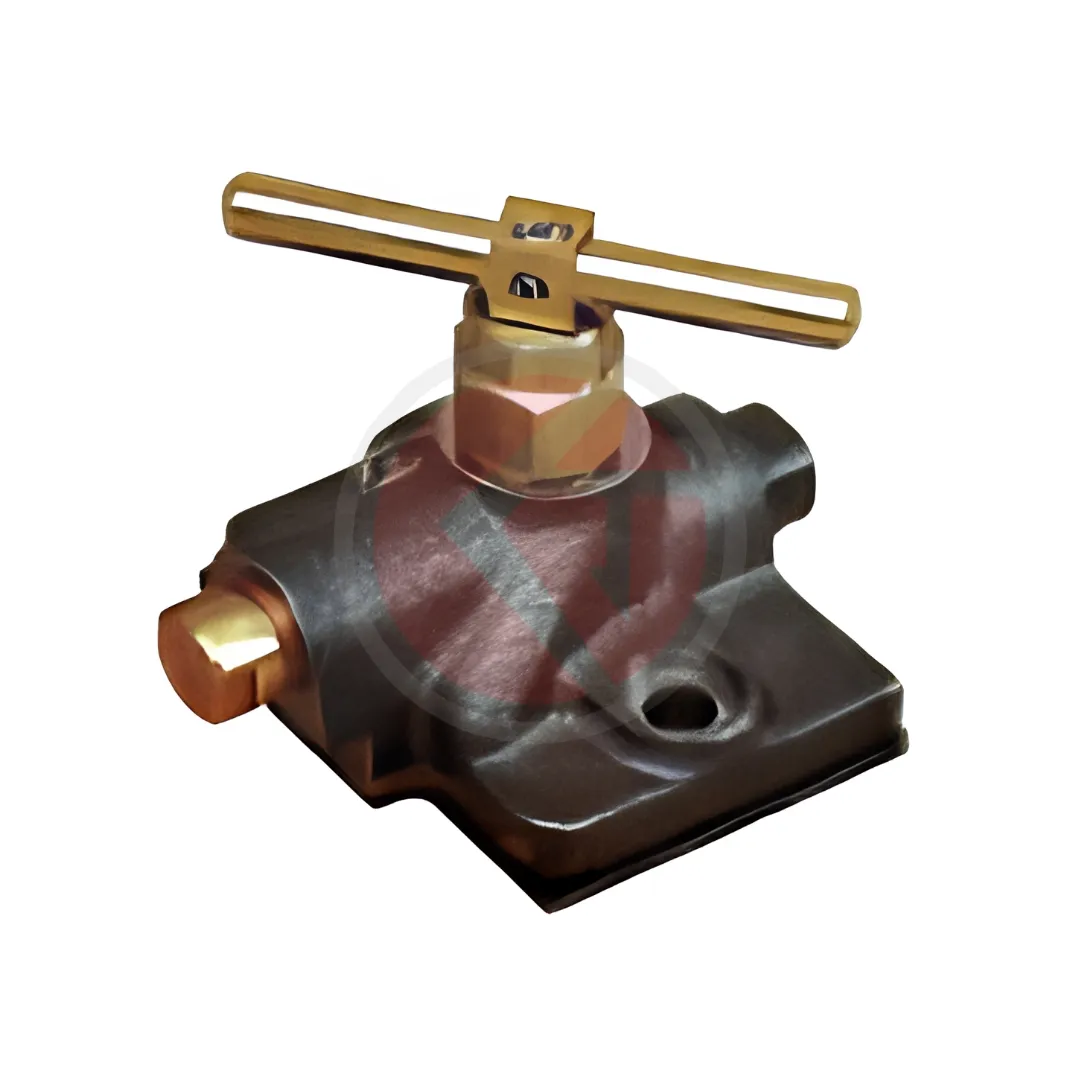
Your Trusted Partner for Tractor Control Valves and Hydraulic Components
Choosing the right tractor control valve is essential for maintaining hydraulic system efficiency, improving equipment reliability, and ensuring long term agricultural productivity. With multiple valve configurations, pressure requirements, and application-specific needs, selecting the correct hydraulic component can significantly impact the performance of tractor hydraulic systems and agricultural equipment.
At Kalapi Tractor Spares Pvt. Ltd., we manufacture and supply high quality tractor control valves, hydraulic tractor parts, and OEM-compatible tractor spare parts designed for demanding agricultural applications. Our products support hydraulic lift systems, steering mechanisms, loader operations, auxiliary hydraulic functions, and a wide range of farming equipment.
With decades of experience in manufacturing OEM-grade tractor components, we are more than a parts supplier. We are a trusted partner committed to delivering durable products, consistent quality, and reliable performance. From standard valve blocks to customized hydraulic solutions, our team provides components engineered for long service life in challenging operating conditions.
Whether you need replacement control valves, hydraulic system components, or a customized tractor parts solution, we have the expertise and manufacturing capability to support your requirements.
Looking for expert guidance or a tailored hydraulic solution?
Contact our team today to discuss your application, request technical assistance, or receive a quotation for tractor control valves and hydraulic components.
Questions About Tractor Control Valves
Tractor control valves are hydraulic components that manage fluid flow, pressure, and direction to operate systems like steering, lift arms, and implements. They are essential for efficient and safe machine operation in farming tasks.
The three core types are:
- Directional control valves (manage flow path)
- Pressure control valves (regulate system pressure)
- Flow control valves (adjust speed of movement)
Each plays a vital role in how your tractor performs hydraulically.
It depends on the type of actuator (single-acting or double-acting), pressure requirements, and whether manual or electronic control is needed. Our technical team can help you select the ideal valve based on your setup.
Yes, but compatibility is critical. Always match pressure ratings, port configurations, and flow capacity. Kalapi offers OEM-compatible and custom solutions to ensure safe replacement without compromising performance.
Many newer models use solenoid or proportional valves for more precise and remote operation. These valves respond to ECU or joystick inputs, ideal for precision farming and automated tasks.
Absolutely. We manufacture and supply a wide range of tractor control valves, including custom-built units for high-pressure or application-specific needs. Contact us for tailored solutions.