
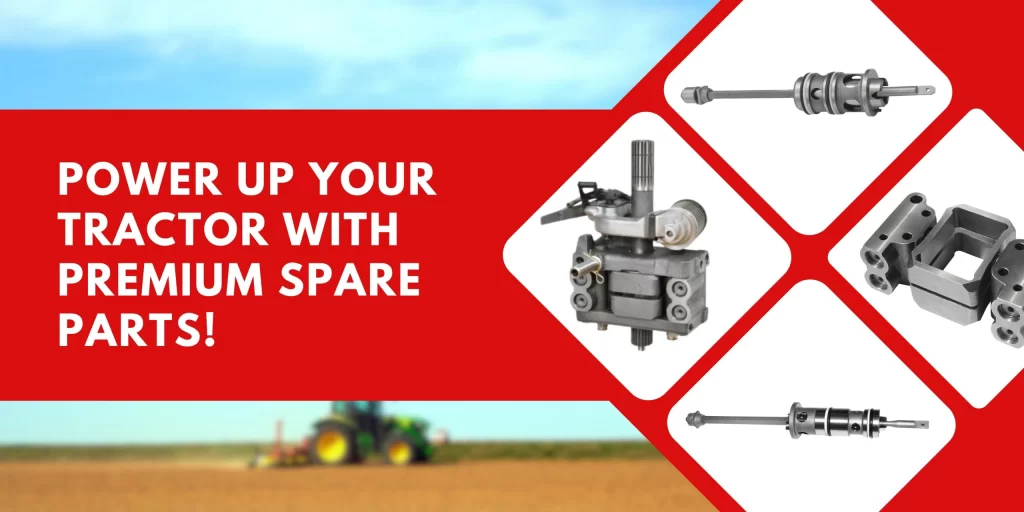
The immense power required for modern agriculture was once provided by draft animals. Today, that raw strength has been replaced and magnified by the sophisticated force of hydraulics. At the heart of nearly every modern tractor and piece of farm machinery are advanced hydraulic lift systems, quietly revolutionizing how we cultivate land and produce food. These systems are the unseen muscle that lifts heavy implements, powers attachments, and gives a single operator control over immense force, shaping the very future of farming.
This article will explore the fascinating world of hydraulic technology in agriculture. We will trace its evolution from simple power assistance to the intelligent, automated systems of tomorrow. By the end, you’ll understand how these innovations are boosting productivity, enhancing precision, and making farming more sustainable than ever before.
We’ll delve into the core components of modern hydraulic systems, examine the groundbreaking technologies integrated within them, and see how they translate into tangible benefits on the farm. From precision planting to automated harvesting, advanced hydraulic lift systems are paving the way for a more efficient and intelligent agricultural future.
From Brute Force to Smart Power: The Evolution of Hydraulics
The journey of hydraulics in farming is one of continuous innovation. Early systems were a simple, yet revolutionary, leap forward, allowing operators to lift heavy plows and cultivators with a lever instead of sheer physical effort. However, these initial systems were basic, often offering only up-and-down movement with limited control. The real transformation has occurred in recent decades, driven by the integration of electronics and software.
The Dawn of Electro-Hydraulics
The first major shift came with electro-hydraulics, which introduced electronic controls to manage hydraulic flow and pressure. Solenoid valves, controlled by simple switches in the cab, allowed for more precise and responsive operation of implements. This was a significant step beyond purely mechanical linkages, giving operators finer control over tasks like adjusting the depth of a plow or the height of a mower.
The Rise of Modern Hydraulic Farming Technology
Today’s systems have evolved into highly complex networks. Modern tractors feature closed-center, pressure-and-flow compensated (PFC) systems. Unlike older open-center systems that constantly pumped fluid, PFC systems only deliver the precise pressure and flow required at any given moment. This intelligent power management drastically reduces wasted energy, lowers fuel consumption, and decreases wear and tear on hydraulic components.
Key Components of Modern Systems:
- Variable-Displacement Pumps: These pumps adjust their output based on demand, providing power only when needed.
- Proportional Valves: Instead of just being on or off, these valves can open partially to deliver exact amounts of fluid, allowing for smooth, precise movements.
- Electronic Control Units (ECUs): The “brain” of the system, the ECU processes inputs from sensors and operator controls to manage the valves and pump.
- Integrated Sensors: Sensors monitor factors like position, pressure, and load, feeding real-time data back to the ECU for constant adjustments.
The Core Benefits of Advanced Hydraulic Lift Systems
The transition to intelligent hydraulics isn’t just about adding new features; it’s about fundamentally changing what’s possible on the farm. These advancements deliver measurable improvements in efficiency, precision, and sustainability, directly impacting a farm’s bottom line and its environmental footprint.
Unprecedented Efficiency and Productivity
Efficiency is the name of the game in modern agriculture. Advanced hydraulic lift systems contribute significantly by automating and optimizing tasks that were once manual and time-consuming.
How They Boost Efficiency:
- Reduced Fuel Consumption: By only providing power on demand, PFC systems ensure the engine isn’t working harder than necessary, leading to substantial fuel savings over a season.
- Faster Implement Response: Electronic controls provide near-instantaneous response, reducing cycle times for tasks like lifting and lowering a front-end loader or operating a baler.
- Automated Functions: Many systems now feature programmable sequences. For example, a single button press can initiate a headland turn, automatically lifting the implement, turning the tractor, and lowering it back to the correct working depth. This reduces operator fatigue and ensures perfect consistency every time.
Precision Agriculture and Enhanced Control
The era of “one-size-fits-all” farming is over. Precision agriculture relies on applying inputs—like seeds, fertilizer, and water—only where they are needed and in the exact amount required. Hydraulic systems are critical to executing these precise commands.
Examples in Precision Farming:
- Variable Rate Seeding: GPS-guided planters use hydraulic drives on each row unit. As the tractor moves across a field, the system can instantly adjust the seeding rate based on a prescription map, planting more seeds in fertile zones and fewer in less productive areas.
- Downforce Control: Advanced systems apply active hydraulic downforce to planter row units, ensuring seeds are planted at the perfect depth regardless of soil compaction or terrain changes. This leads to uniform crop emergence and higher yields.
- Implement Steering: For high-value crops, hydraulic implement steering systems guide the implement independently of the tractor, keeping it perfectly on track even on steep hillsides or curves. This prevents crop damage and ensures perfect row spacing.
Supporting Sustainability and Reducing Labor
Modern hydraulic farming technology also plays a vital role in making agriculture more sustainable. By optimizing inputs and reducing waste, these systems help protect the environment while also addressing the persistent challenge of farm labor shortages.
Sustainable Practices:
- Reduced Soil Compaction: Features like hydraulic suspension and intelligent load distribution help minimize the tractor’s impact on the soil, preserving its structure and health for future seasons.
- Minimized Chemical Use: When paired with GPS and sensors, hydraulic sprayer booms can be controlled with section or individual nozzle control. This prevents overspraying at field edges or on previously treated areas, cutting chemical use by up to 15%.
- Automation and Labor: As automated functions become more sophisticated, they reduce the physical and mental strain on operators. This makes the job more accessible and allows one person to manage larger and more complex operations effectively.
What’s Next? The Future of Hydraulic Systems in Agriculture
The innovation isn’t slowing down. The future of advanced hydraulic lift systems lies in even greater intelligence, autonomy, and integration with other digital farming platforms.
Fully Autonomous Operations
The next frontier is fully autonomous tractors and implements. These machines will rely on highly advanced electro-hydraulic systems to navigate fields, perform tasks, and react to obstacles without human intervention. The hydraulic system will be the crucial link that translates digital commands from the AI into physical action, whether it’s steering, lifting an implement, or adjusting a harvester’s settings. Explore more about cutting-edge tractor parts that make these advancements possible.
Greater Integration and Connectivity
Hydraulic systems will become even more deeply integrated with the farm’s overall digital ecosystem. Data from the hydraulic system—such as the draft force required to pull a plow—can be used to create detailed maps of soil compaction across a field. This information can then be used to inform tillage practices or variable-rate fertilization the following season, creating a continuous loop of data-driven improvement. Learn how innovation is shaping the Rajkot tractor spare parts manufacturing hub and contributing to future-ready farming solutions.
Conclusion: Powering the Farms of Tomorrow
The humble hydraulic system has grown into a cornerstone of modern, productive, and sustainable agriculture. From saving fuel with intelligent power management to enabling the pinpoint accuracy of precision farming, advanced hydraulic lift systems have transformed the capabilities of farm machinery. They are no longer just about lifting heavy loads; they are about providing the intelligent, responsive, and automated power needed to feed a growing world.
As we look to the future, these systems will only become more critical. They are the essential muscle that will enable fully autonomous farming, drive further efficiency gains, and help farmers act as better stewards of their land. Understanding the power and potential of hydraulics is key to understanding the future of farming itself.