
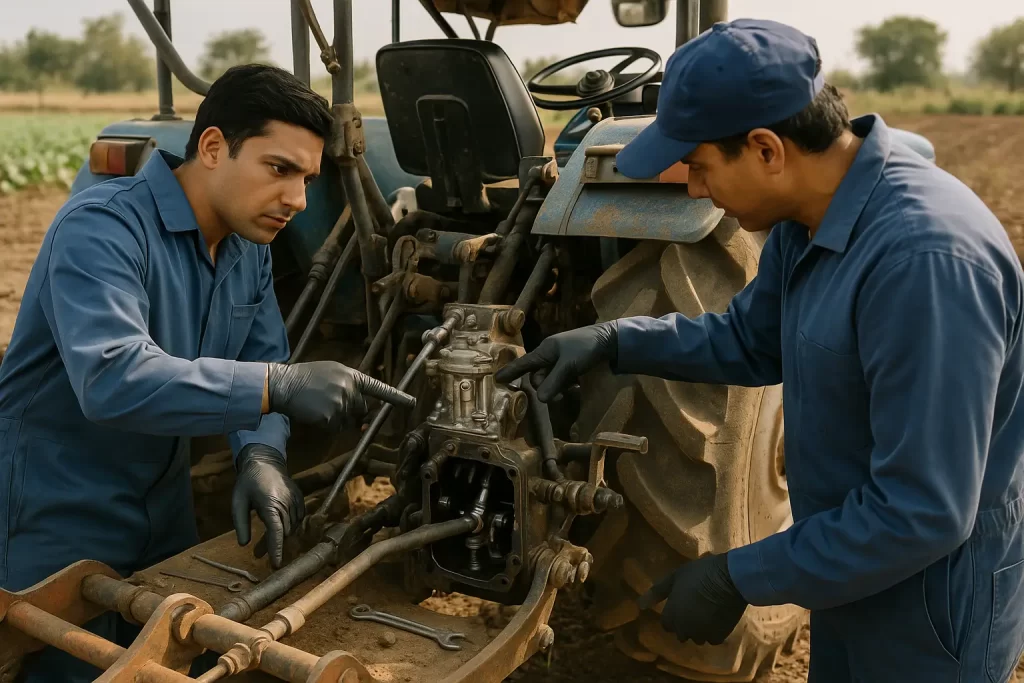
If you are a tractor owner, mechanic, or parts dealer, you already know how important the hydraulic system is for smooth agricultural operations. Without a properly functioning hydraulic lift pump or hydraulic lift plunger, your tractor cannot raise implements, control depth, or deliver the power farmers depend on every single day.
The challenge is that many buyers and even mechanics sometimes confuse these two parts—thinking they are interchangeable, when in fact, the hydraulic lift pump and the hydraulic lift plunger perform distinct roles. Choosing the wrong spare part can lead to system failures, downtime, and expensive repairs.
In this blog, we’ll break down the differences between these two critical components. You’ll learn how each works, the signs of failure, when replacement is needed, and why selecting high-quality spares from trusted suppliers matters. By the end, you’ll have the clarity to make the right purchase decisions and ensure your tractor operates at peak efficiency.
The Role of the Hydraulic System in Tractors
Before diving into the difference between the hydraulic lift pump and the hydraulic lift plunger, it’s worth stepping back to understand how the hydraulic system itself works.
Tractors use hydraulics to transfer energy using pressurized fluid. This system powers lifting, lowering, and controlling implements such as plows, harrows, and seed drills. The hydraulic lift system is the backbone of modern farming, and within it, the hydraulic lift pump and the hydraulic lift plunger are two of the most crucial elements.
- The hydraulic lift pump is responsible for creating the pressure by circulating hydraulic fluid.
- The hydraulic lift plunger translates that pressure into precise movement, enabling smooth control of implements.
If one fails, the entire system becomes inefficient, leading to reduced productivity and farmer frustration.
What is a Hydraulic Lift Pump?
The hydraulic lift pump is essentially the “heart” of the tractor’s hydraulic system. It generates the pressure required to move fluid through the system, providing the energy necessary for lifting and holding heavy loads.
In most tractors, the hydraulic lift pump is mechanically driven by the engine. It consists of gears, vanes, or pistons that rotate or move, displacing fluid into the hydraulic lines. The pump must deliver consistent pressure, otherwise implements will lag, shake, or fail to lift.
When farmers complain that their implements are not raising properly, mechanics usually inspect the hydraulic lift pump first. Common causes of pump trouble include worn-out gears, fluid contamination, or seals breaking down. Because this part works continuously under pressure, durability and material quality are absolutely critical.
What is a Hydraulic Lift Plunger?
While the pump generates pressure, the hydraulic lift plunger is the part that actually converts this fluid pressure into mechanical movement. It acts as the “muscle” of the hydraulic system, pushing and pulling to raise or lower tractor implements.
The hydraulic lift plunger sits inside a cylinder, moving back and forth as hydraulic fluid flows in and out. A well-functioning plunger ensures that the motion is smooth, accurate, and responsive. If the plunger is worn or damaged, you’ll notice jerky movements, leakage, or total system failure.
Unlike the pump, which is about creating force, the hydraulic lift plunger is about applying that force precisely. Both must work together for the tractor’s hydraulics to perform as intended.
Hydraulic Lift Pump vs Hydraulic Lift Plunger: Key Differences
Now that we’ve defined both, let’s compare them in detail.
- Function: The hydraulic lift pump creates fluid pressure, while the hydraulic lift plunger converts that pressure into motion.
- Location: The pump is mounted externally and connected to the engine, while the plunger is housed inside a cylinder.
- Failure Signs: Pump failures show up as low pressure or weak lifting, while plunger failures show up as jerky or uneven lifting.
- Maintenance Needs: Pumps require fluid checks and seal monitoring; plungers require inspection for wear and scoring inside the cylinder.
In short, think of the hydraulic lift pump as the “power generator” and the hydraulic lift plunger as the “actuator” that uses that power. Both are indispensable.
Common Signs of Hydraulic Lift Pump Failure
Farmers and mechanics should be alert to these pump issues:
- Implements lifting too slowly or not lifting at all.
- Excessive noise or whining from the hydraulic lift pump.
- Leaks around pump seals.
- Hydraulic fluid overheating.
When such symptoms appear, continuing to operate the tractor can cause more damage. Replacing the hydraulic lift pump with a high-quality spare part is often the best long-term solution.
Common Signs of Hydraulic Lift Plunger Failure
The hydraulic lift plunger shows different warning signs:
- Jerky, uneven lifting motion.
- Implements dropping unexpectedly.
- Hydraulic fluid leaking from the cylinder.
- Excessive wear marks on the plunger surface.
Unlike pump issues, which affect pressure generation, plunger issues directly impact control and stability of the lift system. If ignored, this can make tractors unsafe to operate.
When Should You Replace a Hydraulic Lift Pump or Hydraulic Lift Plunger?
Timely replacement is key to preventing costly breakdowns. Typically, both the hydraulic lift pump and the hydraulic lift plunger need attention after thousands of working hours, depending on tractor model, usage intensity, and maintenance habits.
If your tractor works in dusty or extreme conditions, the hydraulic lift pump may wear out faster due to contamination in the hydraulic fluid. Similarly, the hydraulic lift plunger is highly sensitive to lubrication quality—dirty or insufficient fluid can accelerate wear.
Whenever hydraulic efficiency drops, it’s essential to test both components, not just one. Replacing the wrong part leads to wasted money and no performance improvement.
Why High-Quality Hydraulic Spares Matter
One of the biggest mistakes tractor owners make is purchasing low-cost replacements for the hydraulic lift pump or hydraulic lift plunger from unreliable suppliers. While these parts might look identical, poor metallurgy, inaccurate machining, and lack of quality testing mean they wear out quickly.
High-quality spares, especially those manufactured by ISO-certified suppliers in Gujarat and Rajkot, ensure:
- Longer service life.
- Consistent hydraulic performance.
- Fewer breakdowns during peak farming seasons.
- Better return on investment for tractor owners.
When it comes to parts as critical as the hydraulic lift pump and hydraulic lift plunger, cutting corners is never worth the risk.
Gujarat’s Leadership in Hydraulic Spare Manufacturing
India is one of the largest markets for tractors, and Gujarat—especially Rajkot—has become a hub for precision-engineered hydraulic spares. Local manufacturers are known for using advanced CNC machining and metallurgical processes to produce durable hydraulic lift pumps and hydraulic lift plungers that meet global standards.
Dealers and OEMs often prefer sourcing from Gujarat because of:
- Proximity to ports for export.
- Established industrial ecosystem for tractor spares.
- Competitive pricing compared to imported parts.
- Availability of customization for different tractor models.
This is why Gujarat remains a trusted destination for buyers searching for reliable hydraulic lift pump and hydraulic lift plunger suppliers.
Why Choose Kalapi Tractor Spares for Hydraulic Lift Pumps & Plungers?
With so many suppliers in the market, why should buyers place their trust in Kalapi Tractor Spares Pvt. Ltd.?
Based in Rajkot, Gujarat, Kalapi has built a strong reputation as a dependable manufacturer of tractor spare parts, including the hydraulic lift pump and hydraulic lift plunger. Our strengths include:
- ISO-certified processes ensuring international quality standards.
- Precision CNC machining that guarantees accurate fitting and long service life.
- Extensive distribution network serving both domestic and export markets.
- Customer-first approach with technical support and tailored solutions.
Whether you are an OEM, a spare parts dealer, or a tractor owner, Kalapi offers durable hydraulic spares that keep tractors working reliably in the toughest conditions.
Final Thoughts
The hydraulic lift pump and the hydraulic lift plunger may sound similar, but they play very different roles in your tractor’s hydraulic system. One generates power, the other applies it. Together, they make modern farming possible by ensuring implements lift and lower smoothly.
Understanding the difference helps farmers, mechanics, and dealers make the right replacement decisions. And when it’s time to buy, choosing quality tractor spare parts from trusted suppliers in Gujarat—like Kalapi Tractor Spares—ensures tractors keep delivering season after season.
Call to Action – Get in Touch with Kalapi Tractor Spares
Looking for a reliable hydraulic lift pump or hydraulic lift plunger for your tractor? Trust Kalapi Tractor Spares for quality, durability, and precision.
Address: Survey No. 206, Behind Mahadev Industrial Estate, RAVKI, Tal. Lodhika, Rajkot – 360004, Gujarat, India.
Domestic Inquiry: +91 9979898984 / +91 9925444609
Email: info@srv1869956.hstgr.cloud
Website: www.kalapiauto.com/contact-us/
Export Inquiry: export@srv1869956.hstgr.cloud / export1@kalapiauto.com, allleads.vispan@gmail.com | +91 9979898984 / +91 9016709915 / +91 9104403961
Your tractor deserves the best—choose Kalapi for genuine, long-lasting hydraulic lift pumps and hydraulic lift plungers.