
Modern Tractor Parts Materials for Strength and Efficiency
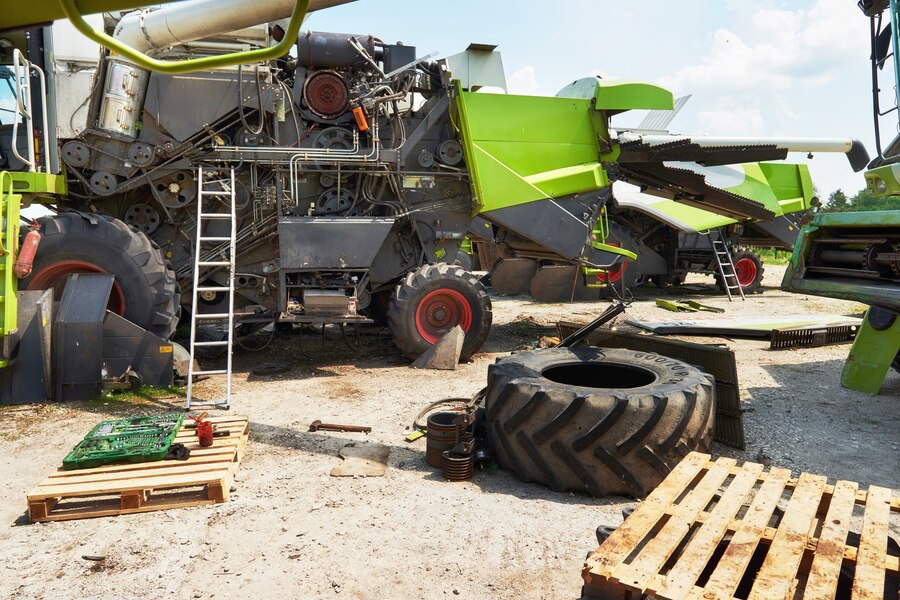
Modern agriculture demands machinery that is stronger, more efficient, and capable of performing under challenging working conditions. As farming technology continues to evolve, manufacturers are increasingly adopting advanced materials to improve the durability, performance, and lifespan of modern tractor parts.
Traditional materials are being replaced or enhanced with innovations such as high-strength steel, lightweight aluminum alloys, fiber-reinforced composites, advanced polymers, and smart materials. These developments help tractors operate more efficiently while reducing maintenance requirements, fuel consumption, and overall operating costs.
In this article, we explore the latest innovations in tractor parts materials, their benefits for agricultural machinery, and how modern engineering is helping create stronger, lighter, and more sustainable tractors for the future of farming.
Innovations in Modern Tractor Parts Materials
High-Strength Steel for Durability
One of the most widely used materials in modern tractor parts is high-strength steel. It offers exceptional tensile strength, making it perfect for load-bearing components such as frames, axles, and gears. High-strength steel resists corrosion and deformation, ensuring the longevity of parts even in harsh environments.
Lightweight Aluminum Alloys
Aluminum alloys have gained popularity due to their lightweight properties combined with high strength. These materials are ideal for parts where weight reduction is critical, such as engine components and wheel hubs. Lighter materials help improve fuel efficiency without compromising durability.
Composites and Polymers: The Future of Tractor Parts
Fiber-Reinforced Plastics for Strength
Fiber-reinforced plastics (FRP), such as carbon fiber and fiberglass, are used in tractor parts to provide high strength-to-weight ratios. They are resistant to rust, moisture, and chemicals, making them suitable for external body panels and structural components.
Polymeric Coatings for Protection
Modern tractors often feature polymeric coatings to protect parts from corrosion, UV damage, and scratches. These coatings improve the aesthetic appeal of tractors while extending the lifespan of components exposed to environmental stress.
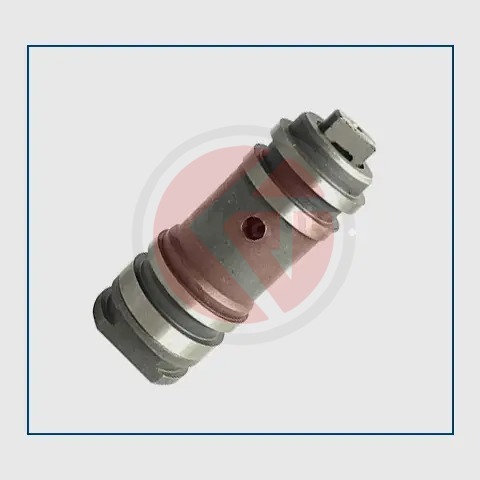
Eco-Friendly Materials for Sustainable Farming
Biodegradable Plastics
To meet the demand for sustainable farming solutions, manufacturers are adopting biodegradable plastics for non-structural components. These materials decompose naturally, reducing environmental impact and contributing to a circular economy.
Recycled Metals and Polymers
Recycled materials are increasingly being used in the production of tractor parts. They provide cost-effective solutions while supporting eco-friendly practices by minimizing waste generation.
Smart Materials for Modern Functionality
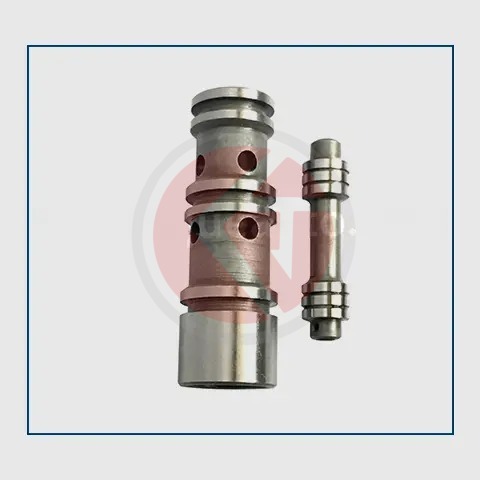
Shape Memory Alloys for Flexibility
Shape memory alloys (SMAs) can return to their original shape after deformation. These materials are ideal for dynamic parts such as valves and actuators, enabling tractors to handle adaptive tasks effectively.
Nano-Coated Surfaces for Enhanced Durability
Nano-coatings are applied to tractor parts to provide scratch resistance, self-cleaning properties, and anti-corrosion capabilities. These coatings reduce wear and tear, making parts low-maintenance and long-lasting.
Benefits of Advanced Materials in Tractor Parts
Improved Strength and Longevity
Advanced materials like steel alloys and composites enhance strength and durability, allowing tractors to handle heavy loads and challenging terrains without frequent breakdowns.
Corrosion-Resistant Coatings
Lightweight materials, such as aluminum and polymers, reduce the overall weight of tractors, leading to lower fuel consumption and operational savings.
Challenges in Implementing Advanced Materials
Cost of Production
While advanced materials provide superior performance, their higher production costs can be a barrier for some manufacturers, particularly small-scale farmers.
Material Compatibility Issues
Combining different materials may lead to compatibility challenges, requiring specialized engineering techniques to ensure seamless integration in tractor systems.
Conclusion
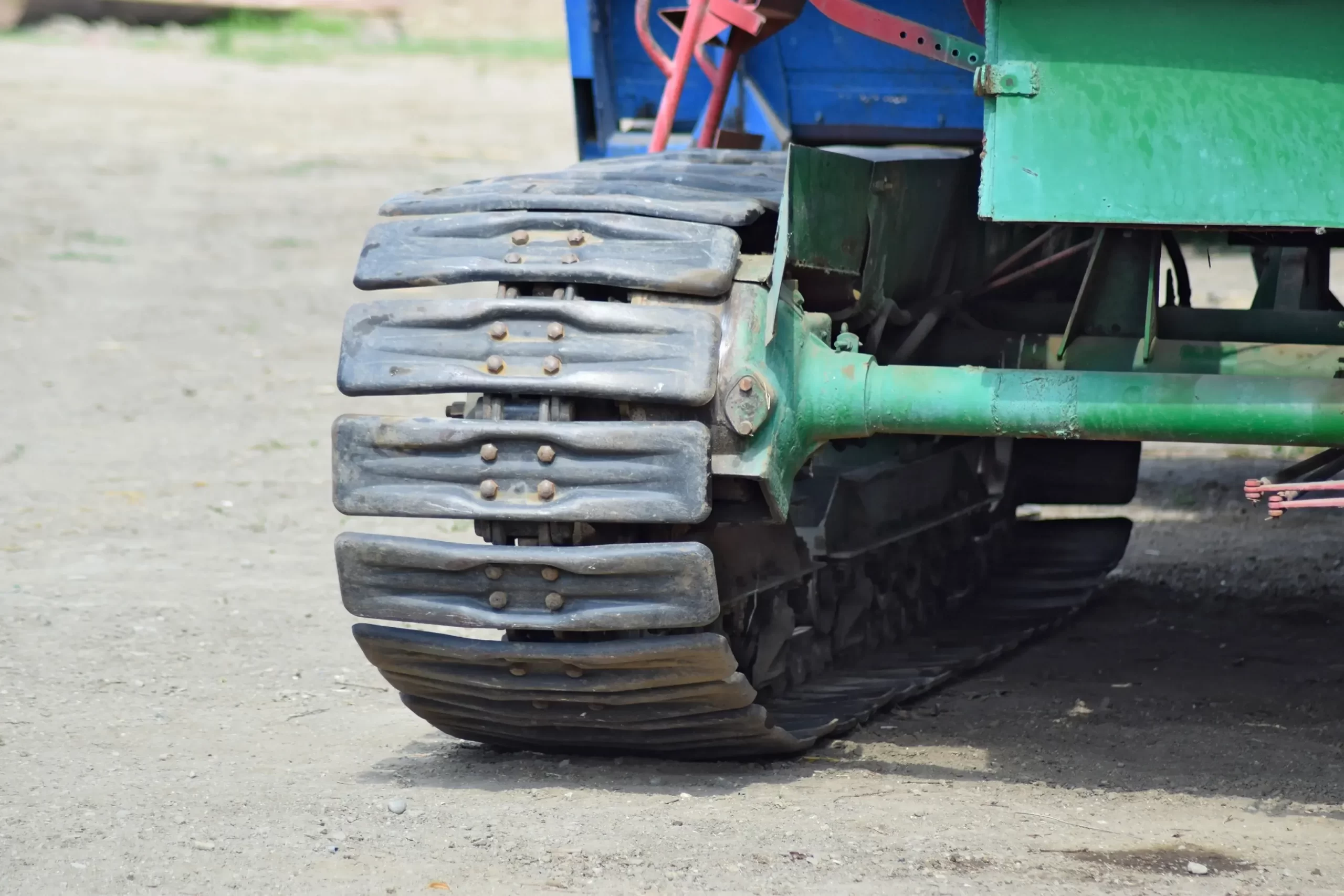
The role of advanced materials in modern tractor parts is shaping the future of agricultural machinery by enhancing strength, efficiency, and sustainability. Innovations such as high-strength alloys, lightweight composites, and eco-friendly polymers are helping farmers improve productivity while reducing operational costs.
As farming demands continue to evolve, adopting modern materials ensures that tractors are prepared for the challenges of tomorrow, making them more reliable, durable, and environmentally conscious.