
A tractor that suddenly breaks down in the middle of a critical task is more than just an inconvenience; it can disrupt your entire operation, costing you valuable time and money. Every owner knows that feeling of frustration when a machine sputters, whines, or simply refuses to start, leaving you to diagnose a complex piece of machinery under pressure. These unexpected tractor issues can quickly derail productivity, whether you’re plowing a field, hauling materials, or managing your property.
This article promises to be your guide to troubleshooting and resolving these frustrating problems. We will demystify the most frequent tractor issues and equip you with the knowledge to identify them quickly. By understanding the root cause, you can find the right spare parts to get your equipment back up and running efficiently.
We will cover a range of common problems, from engine troubles and hydraulic failures to electrical glitches and transmission woes. For each issue, we’ll explore the symptoms, pinpoint the likely culprits, and identify the specific tractor spare parts solutions you’ll need for the repair.
Engine Won’t Start or Turns Over Slowly
One of the most common and stressful tractor issues is a failure to start. You turn the key, and you’re met with a click, a slow chugging sound, or complete silence. This problem can often be traced back to the battery, starter, or fuel system.
Battery and Electrical Problems
A weak or dead battery is the leading cause of starting problems. Tractors, especially those used seasonally, can suffer from battery drain over time. The terminals can also become corroded, preventing a solid electrical connection.
Symptoms:
- A clicking sound when you turn the key.
- The engine cranks very slowly or not at all.
- Dim or flickering dashboard lights.
Solutions and Spare Parts:
- Battery: If a jump-start works but the battery doesn’t hold a charge, it’s time for a replacement. Ensure you get a battery with the correct cold-cranking amps (CCA) for your model.
- Battery Cables and Terminals: Corroded or damaged cables can’t deliver the necessary power. Clean terminals with a wire brush or replace frayed and broken cables.
- Alternator: The alternator recharges the battery while the engine is running. If your battery keeps dying, the alternator may be failing. A voltmeter can confirm if it’s producing the correct voltage. If not, a new alternator is needed.
Starter Motor Failure
The starter motor is a powerful electric motor that turns the engine over. If the battery is healthy but the engine won’t crank, the starter or its solenoid could be the problem.
Symptoms:
- A loud click or clunk when turning the key, but the engine doesn’t turn.
- A whirring or grinding noise without the engine engaging.
- Smoke coming from the starter motor.
Solutions and Spare Parts:
- Starter Motor: A worn-out starter motor requires a full replacement. This is a common point of failure after years of service.
- Starter Solenoid: This component acts as a switch, sending power to the starter. Sometimes the solenoid fails while the motor is still good. Many starter assemblies come with a new solenoid attached.
Fuel System Complications
If the engine turns over but won’t fire up, it’s likely not getting fuel. This is a frequent issue, especially with diesel tractors.
Symptoms:
- The engine cranks normally but never catches.
- The engine starts but sputters and dies quickly.
- You notice leaks or the smell of fuel.
Solutions and Spare Parts:
- Fuel Filters: Clogged fuel filters are a primary cause of fuel starvation. They should be replaced regularly as part of routine maintenance. Always have a spare set on hand.
- Fuel Pump: A failing fuel pump cannot deliver adequate pressure. If filters are clean, test the fuel pump’s output. A replacement pump will restore proper flow.
- Injectors: Clogged or dirty fuel injectors can prevent fuel from reaching the cylinders. Fuel injector cleaner can sometimes help, but heavily fouled injectors may need to be professionally cleaned or replaced.
Overheating Engine: A Critical Tractor Issue
An engine that runs too hot can lead to catastrophic damage, including warped cylinder heads or a seized engine block. Addressing overheating immediately is crucial. This is one of the most serious tractor issues you can face.
Coolant System Failures
The cooling system dissipates heat generated by the engine. Most overheating problems originate here.
Symptoms:
- The temperature gauge is in the red zone.
- Steam or smoke coming from under the hood.
- The smell of hot coolant (a sweet, syrupy odor).
- Visible coolant leaks on the ground.
Solutions and Spare Parts:
- Radiator: A radiator can become clogged with debris (both internally and externally) or develop leaks. Clean the fins with compressed air and check for leaks. A damaged radiator will need to be repaired or replaced.
- Radiator Cap: A faulty radiator cap can’t hold the correct pressure, causing the coolant to boil at a lower temperature. This is an inexpensive and easy part to replace.
- Hoses: Coolant hoses can become brittle, crack, or collapse over time. Inspect all hoses for swelling or leaks and replace any that show signs of wear.
- Thermostat: A stuck thermostat can prevent coolant from circulating to the radiator. If the engine overheats quickly, a stuck-closed thermostat is a likely culprit. Replacing it is a common repair.
- Water Pump: The water pump circulates coolant through the engine. A failing pump may leak from its “weep hole” or have a damaged impeller. If you suspect the water pump, it should be replaced immediately to prevent engine failure.
Hydraulic System Problems
A tractor’s hydraulic system powers everything from the three-point hitch to the front-end loader. When it fails, the machine’s utility is severely compromised.
Loss of Lifting Power or Slow Operation
If your loader struggles to lift a load or the hitch moves slowly, there is likely a problem with hydraulic flow or pressure.
Symptoms:
- Implements lift very slowly or not at all.
- A whining or groaning sound from the hydraulic pump.
- Jerky or erratic movement of hydraulic components.
Solutions and Spare Parts:
- Hydraulic Fluid: The first step is to check the hydraulic fluid level and condition. Low fluid is a common cause of poor performance. If the fluid appears milky, it has been contaminated with water and must be changed.
- Hydraulic Filter: A clogged hydraulic filter restricts flow, starving the pump and causing slow operation. Replacing the hydraulic filter is a critical maintenance step.
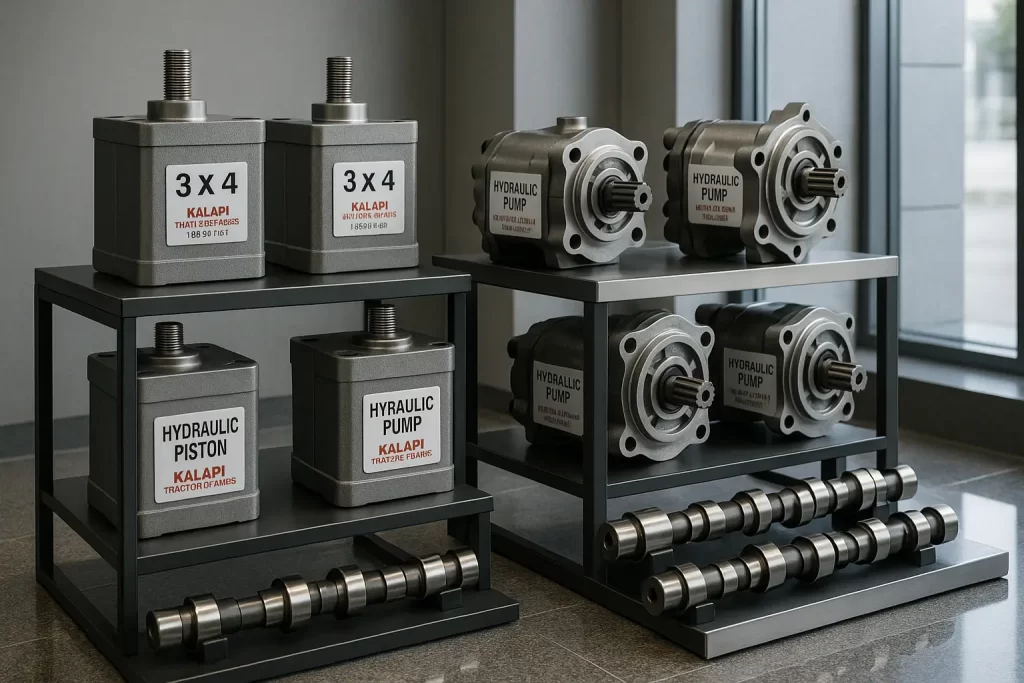
- Hydraulic Pump: If the fluid and filter are in good condition, the pump itself may be worn out. A worn pump cannot generate the necessary pressure to operate implements effectively. This is a more complex repair requiring a new pump.
- Hydraulic Hoses and Couplers: Leaks in hoses or at the quick-connect couplers can cause a loss of fluid and pressure. Inspect all lines and replace any that are damaged. O-rings within the couplers can also wear out and are simple to replace.
Transmission and Clutch Issues
Problems with the transmission or clutch can render a tractor immobile. These are often more complex common tractor problems that require careful diagnosis.
Difficulty Shifting Gears
Grinding noises, difficulty engaging a gear, or the tractor popping out of gear are all signs of transmission or clutch trouble.
Symptoms:
- A grinding sound when trying to shift.
- The shifter feels stiff or refuses to move into gear.
- The tractor jumps out of gear while operating.
Solutions and Spare Parts:
- Clutch Components: In a manual transmission tractor, a worn clutch disc, pressure plate, or throw-out bearing will make shifting difficult. A slipping clutch is another sign that these parts need replacement. A full clutch kit is usually the best solution.
- Transmission Fluid and Filter: Just like engine oil, transmission fluid needs to be clean and at the correct level. Check your owner’s manual for the correct fluid type and service interval.
- Shift Linkage: Sometimes the problem isn’t internal to the transmission but in the external linkage. Worn bushings or bent rods can cause sloppy shifting and can be replaced to restore precise gear changes.
Final Thoughts on Managing Tractor Issues
Keeping a tractor in prime condition means being prepared. While some tractor issues require a professional mechanic, many common tractor problems can be solved with basic diagnostic skills and the right spare parts. Regular maintenance is your first line of defense—checking fluids, replacing filters, and inspecting for wear can prevent a small issue from becoming a major breakdown.
For more maintenance tips and troubleshooting advice, be sure to check out our tractor maintenance blog section.
When problems do arise, a methodical approach is key. Start with the simplest and most common solutions first. For starting problems, check the battery before assuming the starter is bad. For overheating, check the coolant level before ordering a new water pump.
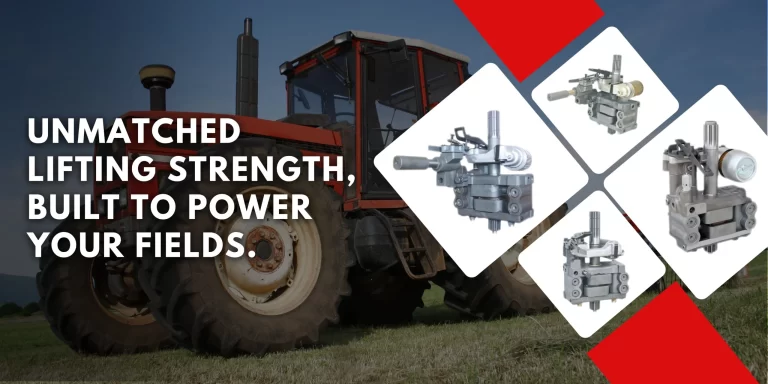
If you’re searching for reliable replacement parts, our tractor parts shop offers a wide selection tailored to various models and needs. Building a small inventory of essential tractor spare parts solutions—like fuel filters, oil filters, and a spare set of belts—can save you significant downtime.
By understanding the symptoms outlined here, you can face your next tractor issue not with frustration, but with the confidence to find a solution and get back to work.
Conclusion
Staying proactive with regular maintenance is the best defense against unexpected tractor issues. By routinely checking fluids, replacing filters, and monitoring for signs of wear, you significantly reduce the risk of costly breakdowns and extend the life of your equipment. When problems occur, having quality spare parts on hand ensures you can make quick repairs and get back to work with minimal downtime. Remember, investing in genuine, reliable parts not only protects your tractor but also your productivity and peace of mind. With the right care and preparation, you can confidently tackle any challenge your tractor may present.
Frequently Asked Questions (FAQs)
What are the most common tractor issues operators face?
The most common problems include engine starting failures, overheating, hydraulic system malfunctions, and transmission or clutch troubles.
How can I prevent frequent tractor breakdowns?
Regular maintenance, such as checking oil and coolant levels, replacing filters, and inspecting hoses and belts, goes a long way in preventing problems.
Why is it important to use high-quality spare parts for repairs?
High-quality parts ensure better compatibility, durability, and performance, reducing the likelihood of repeat failures and protecting your tractor.
Can I fix minor tractor issues myself, or do I always need a professional?
Many minor issues—like changing filters, batteries, or fluids—can be handled by tractor owners with basic tools. For complex repairs, always consult a qualified mechanic.
Where can I find reliable spare parts for my tractor?
You can visit our tractor parts shop for a wide selection of quality replacement parts compatible with various tractor models.
How often should I perform routine maintenance on my tractor?
It's best to follow your manufacturer's recommendations, but generally, a thorough inspection and servicing each season or every 100 hours of operation is advised.
Where can I get more tips on tractor maintenance and troubleshooting?
Check out our tractor maintenance blog section for expert advice, how-to guides, and the latest updates.
If you have further questions, feel free to contact us.